

The advent of ChatGPT has writers and educators at all levels in an uproar. Journalists and other professional writers are concerned their jobs may be threatened. Schools across the country are either banning software applications or trying to determine how to implement them into their curriculum. Students in all grade levels are beginning to use them to respond to writing prompts, craft essays, and even pass sophisticated tests. All of this begs the question: Why teach writing at all?
For the past year, teachers have seen homework turned in by students as young as sixth grade that has been written by artificially intelligent (AI) story-generating software. But to El Sobrante middle school English teacher Jared Heifetz, the writing by the previous versions of story generators always seemed suspicious, as the topic was not what that particular student would write about, or multiple students would turn in the same story with different names. Now, with ChatGPT the writing is better and more believable. “I understand the draw,” Heifetz says. “It’s human nature to find the straightest line to get through stuff, even if it sometimes means cutting a few corners. But every time a student uses AI they lose an opportunity to practice and develop their writing skills.”
“As an English teacher, I think it’s important to think for yourself, to create something in your mind, and then to convey that effectively to another person” Heifetz continues. “Machines may have language, but they don’t have the emotions we do, or the creativity. Suzanne Collins had the Hunger Games stories in her mind, for example; she wrote them down and those stories connected with millions of readers. As humans, we strive for knowledge. If I ask you what the greatest invention in the world is, the answer emerges from your own ideas and thoughts, formed through conversations with others.”
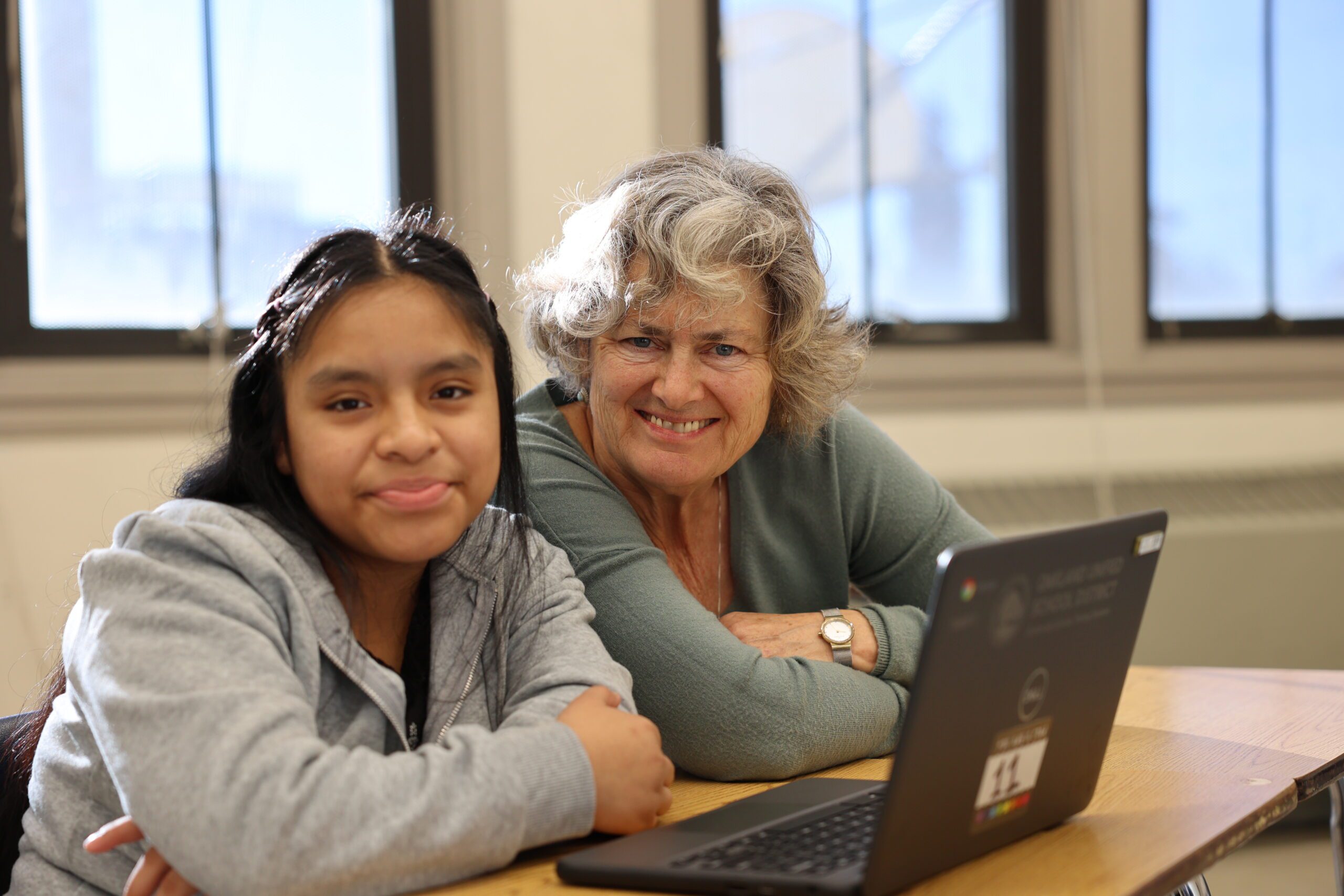
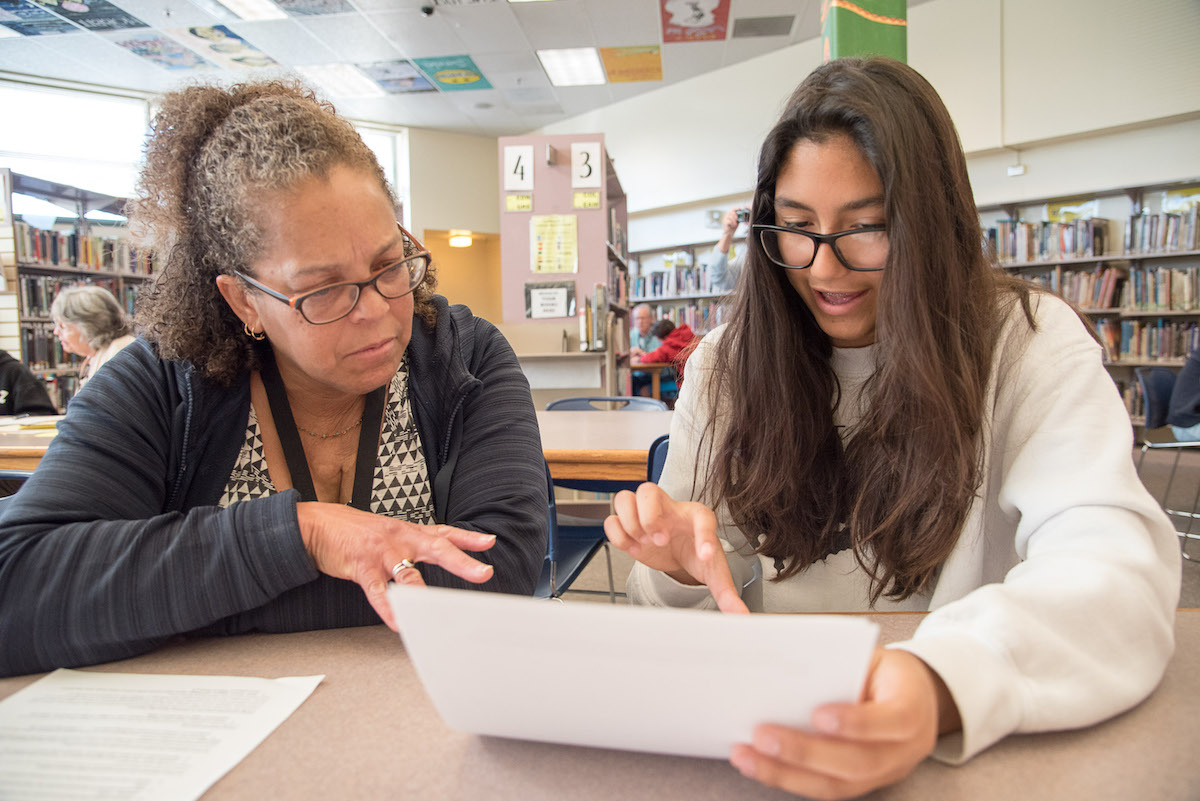
At WriterCoach Connection our trained, caring coaches have conversations about brainstorming, writing, and telling stories with students every day. We train community volunteers to engage, encourage and inspire middle school and high school students to think critically and communicate clearly in writing. We’ve run our programs in public schools for 22 years, and have worked with more than 38,000 students. With a philosophy that is 100 percent positive and supportive and a methodology that enables the student to have agency over what will be addressed in each session, we call our volunteers “coaches,” not “tutors.”
Many of the middle school students whom we coach are just learning to think critically and to communicate in writing. We talk with them about their ideas. We encourage them to think deeply about what they want to convey to their reader, to organize these thoughts, and then add examples and details so that their thoughts, opinions, and stories come across clearly, powerfully, and effectively. We draw out the student’s voice and do not impose our own point of view. Over the course of a school term, we see students’ confidence bloom and their communication skills deepen. These are lifelong skills that students will need academically and professionally. No software can duplicate that.
Nowhere is this more important than in schools in marginalized or underserved communities. “Literacy–reading and writing–are civil rights that have been infringed on in the history of public schools,” says Guthrie Fleischman, Director of Special Education for the West Contra Costa Unified School District. These civil rights must be protected; young people have a right to be nurtured in this way. We need to give students the opportunity to flex those muscles and share ideas over the course of their lives. Our middle schools may have the next James Baldwin or Maya Angelou in them, let’s not deprive these students of the opportunity to express themselves and to be heard. Learning reading and writing will always continue in the wealthiest schools, so anyone who asks why to teach writing is really making a statement about people who are living in poverty, Black and brown students, and other marginalized youth.”
Teaching writing to students is challenging, and in large urban schools with more than 30 students in a classroom, it’s difficult for students to get the individualized attention that will help them develop their voice in writing. Teachers use a myriad of techniques, from the classic five-paragraph essay to discussions or responding to prompts, to Socratic seminars, to peer editing and revision. Different students will respond to different methods. But all students deserve the opportunity to express themselves and see their thoughts resonate with their readers.
While ChatGPT and other AI writing software can string words together effectively, Heifetz wonders, “ChatGPT may have a mind, but does it have a heart?” Fleischman agrees, “I’m sure AI can write poetry, but can it move you to tears?”