We’re all familiar with the impact the “summer slump” has on students. Our teachers work so hard every year to help students build those foundational learning skills necessary for their success in school and in life, and with the end of each school year comes the fear and certainty that for some, summer will mean no educational and intellectual stimulation.
Chronic absenteeism is also a challenge our educators face. It might be easy to say these students and their parents or caregivers don’t take education seriously, but new research reveals students are skipping school or classes due to anxiety. Studies show avoidance and escape are two practices young people use because they’re afraid they won’t do well on an assignment or test.
Absenteeism and summer slump aren’t new phenomenons, but in 2020 our world was completely turned upside down by the Covid 19 pandemic. For educators and parents and all who care about our future, the concern was immediate. How would students be affected by not being in school? We now know, it was disastrous for many. According to a recent report published by the UCLA Center for the Transformation of Schools, in California alone over 1.8 million children did not have sufficient digital access to attend class or do school work online. Many students also had responsibilities like caring for younger siblings while parents were working, and also for sick family members. Another UCLA report stated that students of color and those from low-income households suffered the greatest impact from the switch to online learning, including longer periods of separation before returning to in-person schooling.
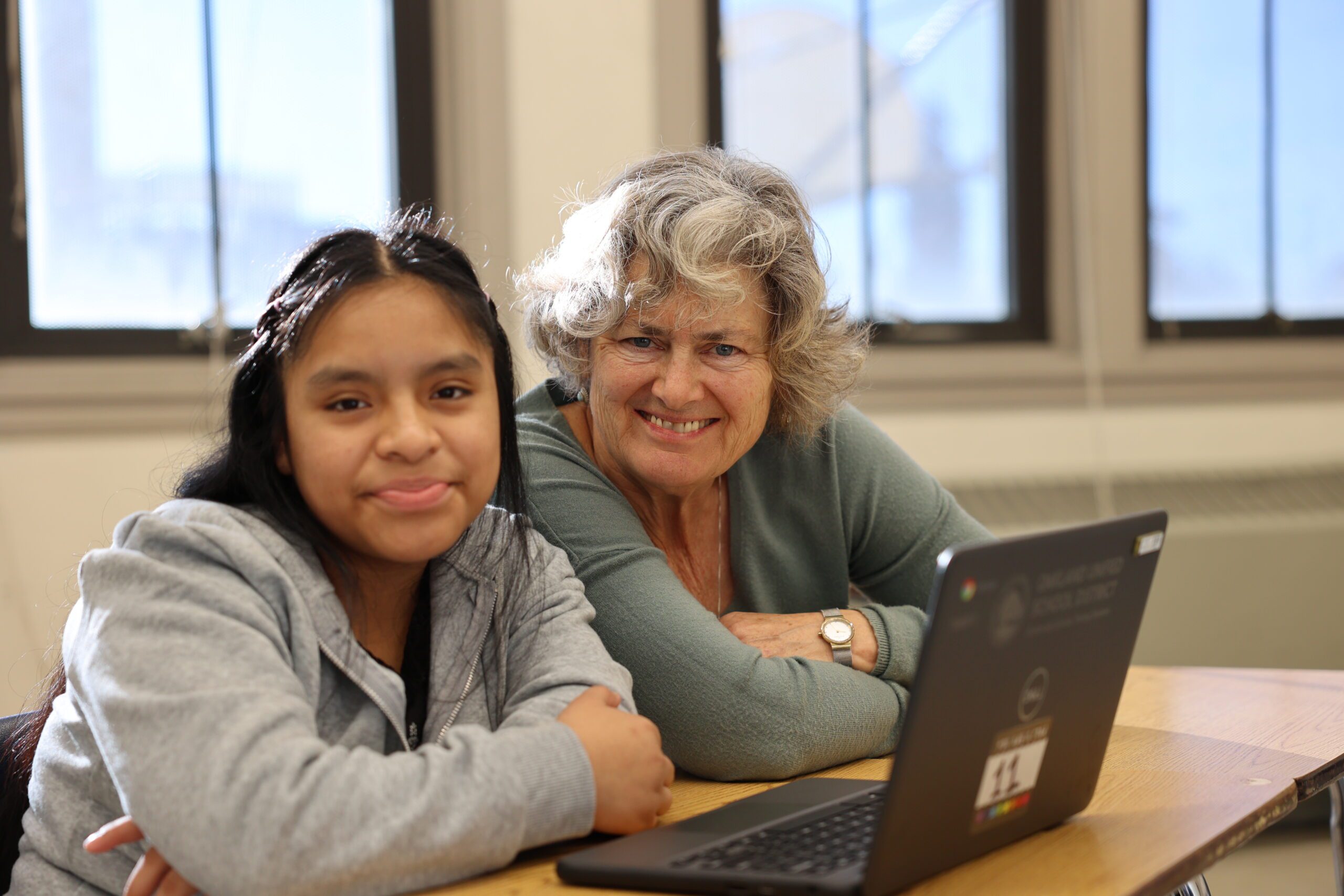
“Today is a good day because my coach is here.” – student
Making Connections to Stimulate Interest
These factors all contributed to diminished well-being for many students, and this is where the importance of fosteringsocial emotional learning (SEL) shines. A March 2024 Edutopiaarticle addressing absenteeism noted that it’s important for educators and all who work with young people to encourage vulnerability and help students develop alternative strategies to address social and emotional challenges. Students need to know that they are not alone in their struggles and that they can overcome them. SEL emphasizes learning different strategies to regulate emotions that allows students to try out different methods and create new, effective habits that foster success.
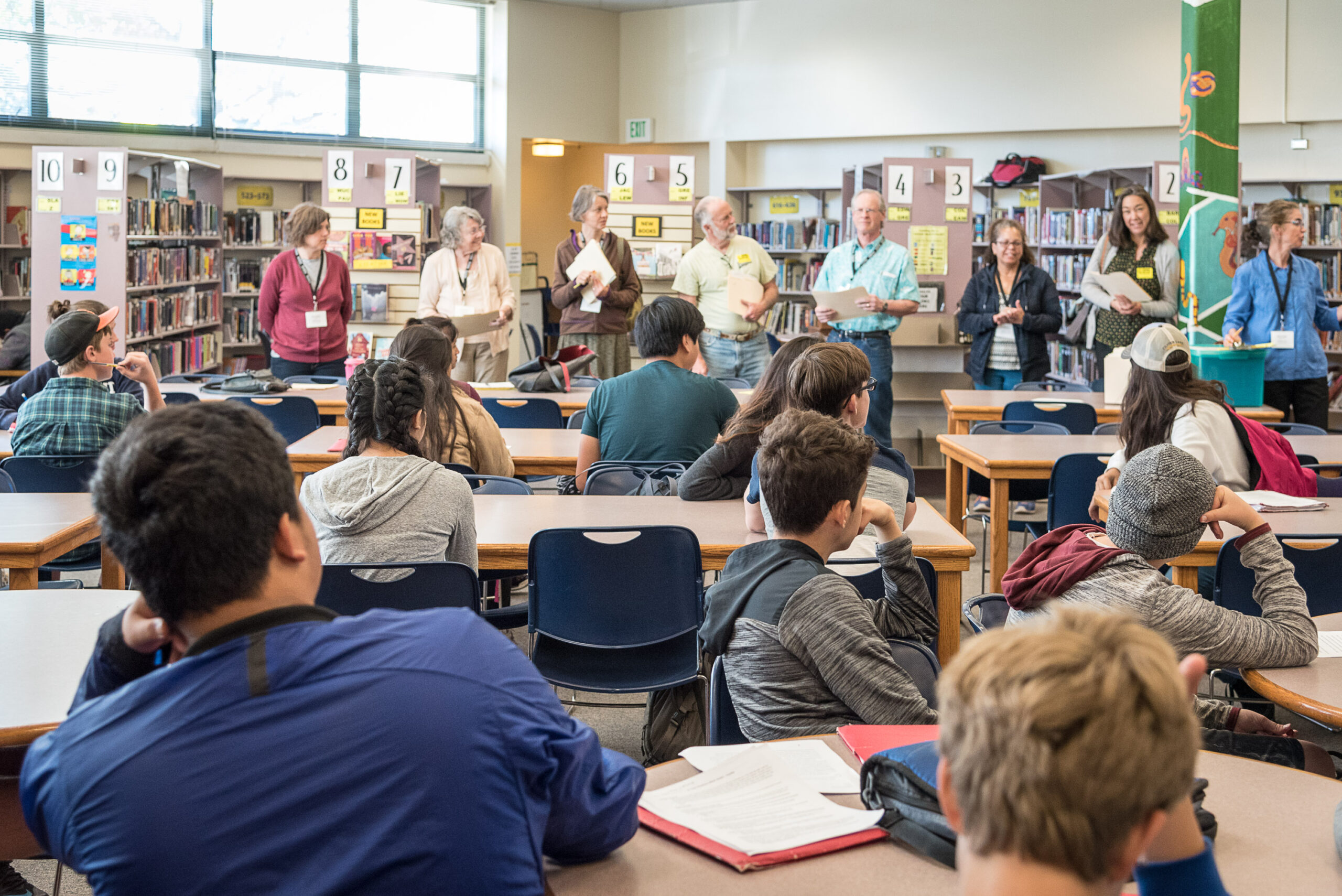
At WriterCoach Connection, our work focuses on middle and high school students, a time of dynamic development for adolescents and teens as they move towards young adulthood. Much of the success of our coaching methodology comes from our practice of meeting students where they are, both literally in that our volunteer coaches meet the students in their learning environment, and philosophically in that the coaches nurture the students’ confidence and critical thinking skills by helping them build upon their own knowledge and ideas, rather than impart their own.
In our coach training we emphasize building rapport with students as the first step before digging into the assignment on hand. Our coaches might ask students questions to learn about their personal interests and also to gain understanding of the student’s relationship with writing. The coach can reassure them by letting them know writing is challenging for everybody, and that they are there to help them. The hardest part of writing is often starting, and beginning with a coach is an excellent way to overcome that first hard step.
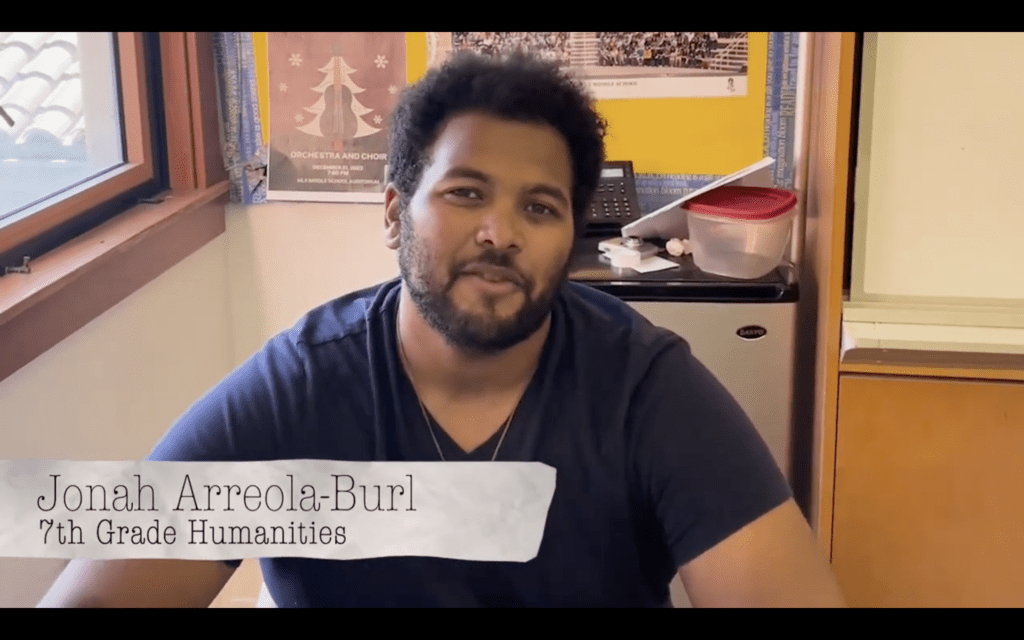
“I wasn’t just a student who needed to practice writing, I was becoming a writer.” – Jonah Arreola-Burl, former coaching student and current teacher (watch and listen to his full testimony here)
Fostering Growth and Intellectual Stamina
Anxiety can also cause students to attempt to avoid learning or advancing their skills. They may turn away from embracing new practices out of fear that they won’t do well. Educational psychology experts like Dr. Carol Dweck engage with the theory of mindsets that either propel students forward or hold them back. A person with a fixed mindset, according to an article in Psychology Science, “often shies away from challenges because they believe that having to work hard at something or making mistakes means they don’t have high ability.” The good news is a fixed mindset doesn’t have to remain fixed. It can be changed by cultivating a growth mindset.
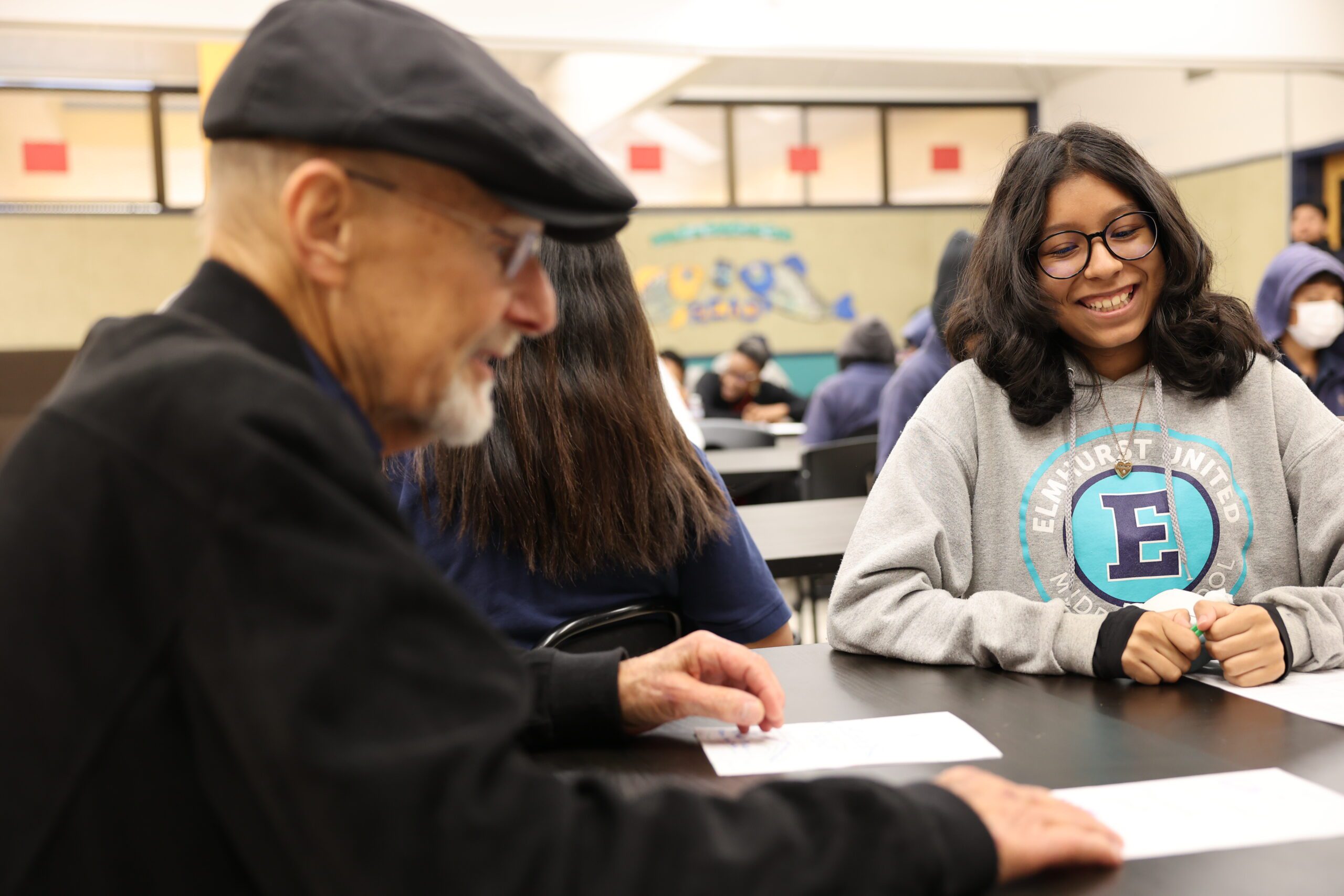
We’re often amazed by the difference we see in students from the start of our ten week coaching sessions to the conclusion. As Kim Wolf, WriterCoach Connection site coordinator at Elmhurst United Middle School in Oakland noted, “They go from leery, anxious, and/or ambivalent when they first meet their coaches, to eager, excited and even enthusiastic as they begin to connect with them.” The teachers whose classes we work with also note a consistent change in both the quality and quantity of their students’ writing post-session.
This transformation begins with building their courage and confidence in themselves and their abilities through active listening and engaging with their ideas. It may seem small and simple, but asking a student, What do you think? in a warm, welcoming space where they feel safe and seen sets the spark that leads to students feeling more comfortable to express their thoughts and ideas.
Once the spark is ignited, the coach then helps the student take those ideas and turn them into full sentences. The student who didn’t think they could write one sentence now has a paragraph, and if they can write one, they can write another until they have a page (and then pages!) of their own words. All it takes is practice, patience and confidence, three skills we cultivate in our coaches through our training, resources and additional development opportunities.
* * *
Every student is different, and they learn at different speeds and through different mediums. We shrink the learning gap through a dynamic approach to education, and coaching is one impactful way that allows for addressing students’ unique thought and work processes to fill that gap. Our young people are capable, creative and the next leaders of society. They are building resilience and independent thinking through their life and educational experiences. Our work is helping them develop the critical skills they need to do well in their adult lives and become champions of communicating across differences while building the communities of our future.
Thank you to our foundational and community partners!