
In February, the State Department of Education released their annual California School Dashboard. This report is important because it provides valuable insights into the current status of our local schools AND they factor into the funding and focus of the school districts.
It would take a mountain of paper to explain all the details on how the data is assessed and collected but what follows are highlights of the performance of the schools in which WriterCoach Connection programs exist.
The results of the dashboard are troubling. However, they also remind us how relevant WriterCoach Connection programs remain in today’s schools.

Some background on the dashboard
Since 2017, each school district must consider the dashboard when creating its Local Control and Accountability Plan (LCAP). The LCAP is a three-year plan that describes the goals, actions, services, and expenditures to support positive student outcomes and must be updated annually.
As part of the budget process, the LCAP must be approved by both the district and county boards of education through a process of public review and comment. LCAPs are complicated. They are filled with legalese, edu-jargon, acronyms and abbreviations. They are not easy for the general public to read and understand.
The dashboard was developed to communicate school performance to families, community members and educators. It does not simply rank schools based on a single metric but includes attendance, suspension rates, English learner progress and graduation rates. It looks at the school year and whether it is showing improvement. It presents data by student groups (e.g. race/ethnicity, English learner, income etc) so that it can be used as a measure of equity within an individual student group.
English Language Arts (ELA) is the content area that covers writing skills and critical thinking through the research skills measurement. It is based on the results of the Smarter Balanced Assessment (SBAC) that students take in 3rd through 8th grade and again in the 11th grade (also known as the California Assessment of Student Performance and Progress -CAASPP). Schools are required to ensure that at least 95% of the students in eligible grades complete the SBAC.
The dashboard shows these results as “Distance from Standard (DFS).” The DFS calculates how ‘far’ a student is above or below the minimum threshold for meeting standards. A positive number means the student scored above the standard and the greater the number is, the higher they scored. A negative number indicates that the student scored below the standard and by how much.
Finally, the results!
The bottom line for ELA in the district overall reveals:
Oakland Unified
63.6 points below standard (a decline of 6.2 points)
West Contra Costa Unified
53.7 points below standard (maintained 0.6 points)
What does this mean for the schools in which we coach?
While not proper here to discuss each school’s individual score (most were worse than the districts) a bright note in the West Contra Costa report indicated that Korematsu Middle School and Richmond High School – two schools where our programs operate – showed the greatest improvement in ELA.
Nearly a decade ago, Congress handed states and districts near autonomy to fix their worst performing schools. In 2015, the Every Students Succeeds Act (ESSA) passed and was signed by President Barack Obama. A recently released General Accounting Office report underscored the challenges around ESSA implementation and the realities of COVID 19 pandemic disruption in our schools.
School turnaround and improvement is challenging. Schools need technical assistance, resources, capacity and knowledge to do the work in order to help low performing students. Last month, the Biden Administration committed to releasing school improvement guidance on evidence-based practices, a step experts agree is needed. It will take all the community working together – students, parents, teachers and the school districts – to improve the schools.
The dashboard spotlights the demand for focus on writing skills of our middle and high school kids. These are skills they will need whether they are college or career bound.
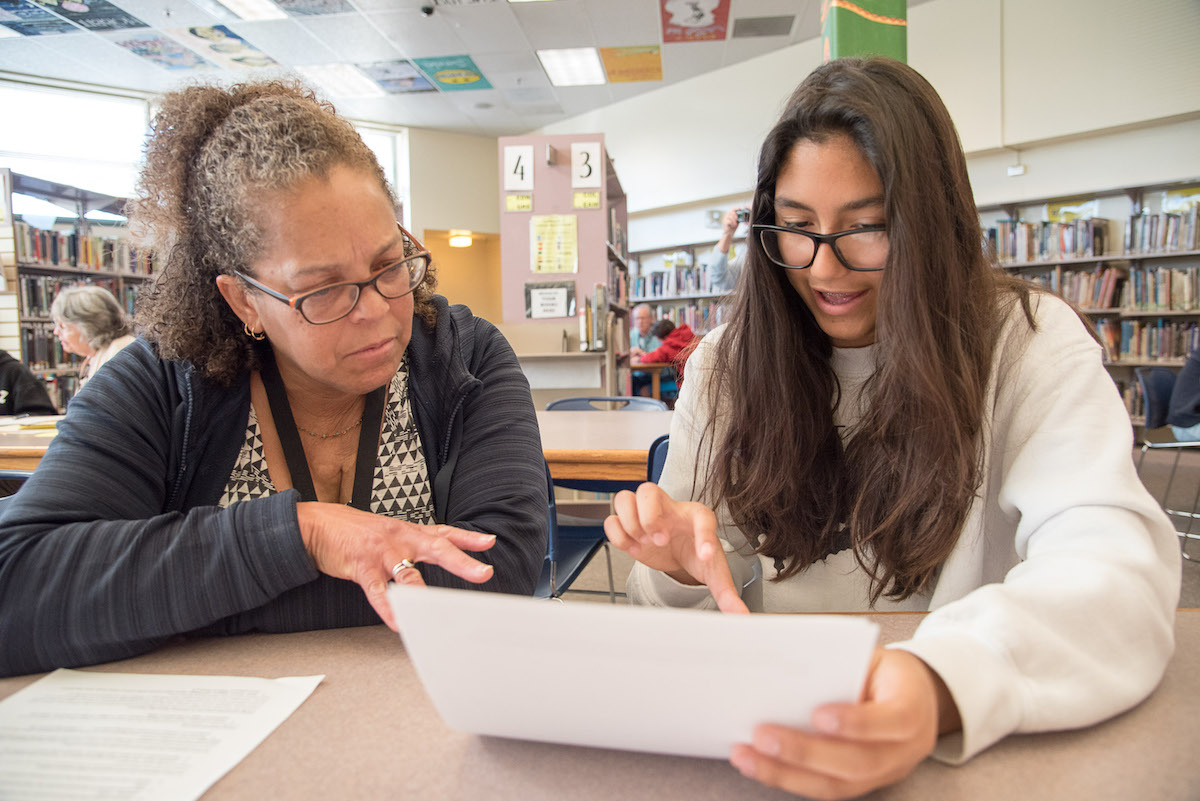
WriterCoach Connection powerfully contributes to the student’s improvement in foundational writing skills and critical thinking. Our 2023 Impact Report captured an 80% improvement in writing skills from low-performing students in post-coaching assessments.
We know there are many more schools that can benefit from our programs. To reach that goal, we need more volunteers, funding and strong school partnerships.

Get involved at https://writercoachconnection.org/ and spread the word!
To learn more about the dashboard or individual schools, the entire document and data can be found at the following link: https://www.caschooldashboard.org/.
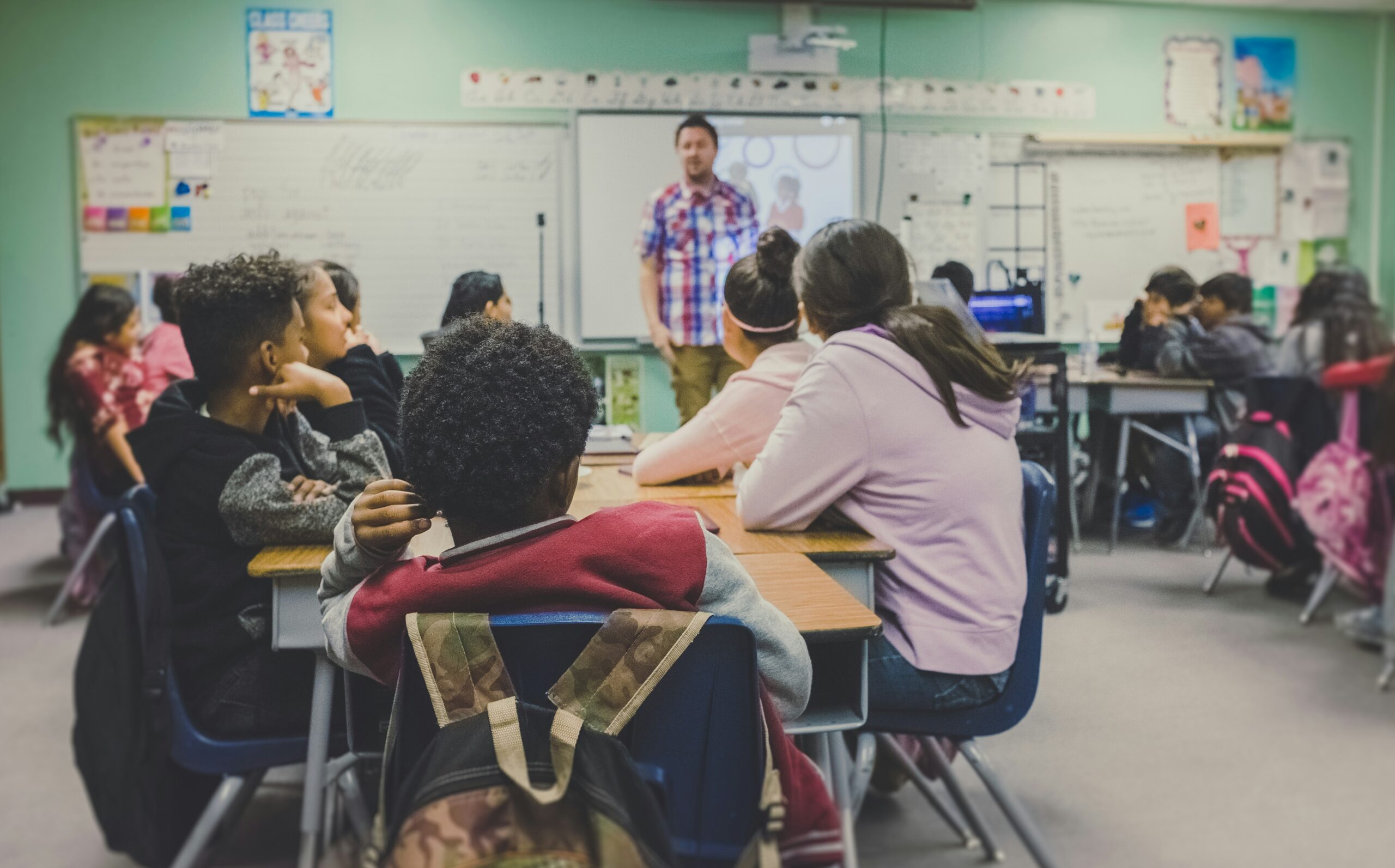
Feature Photo by Kenny Eliason on Unsplash